Why Audiobooks are the Future of Reading
With listeners on the rise, learn why you can't afford to skip the audio market in your publishing strategy.
The Multitasking Reader
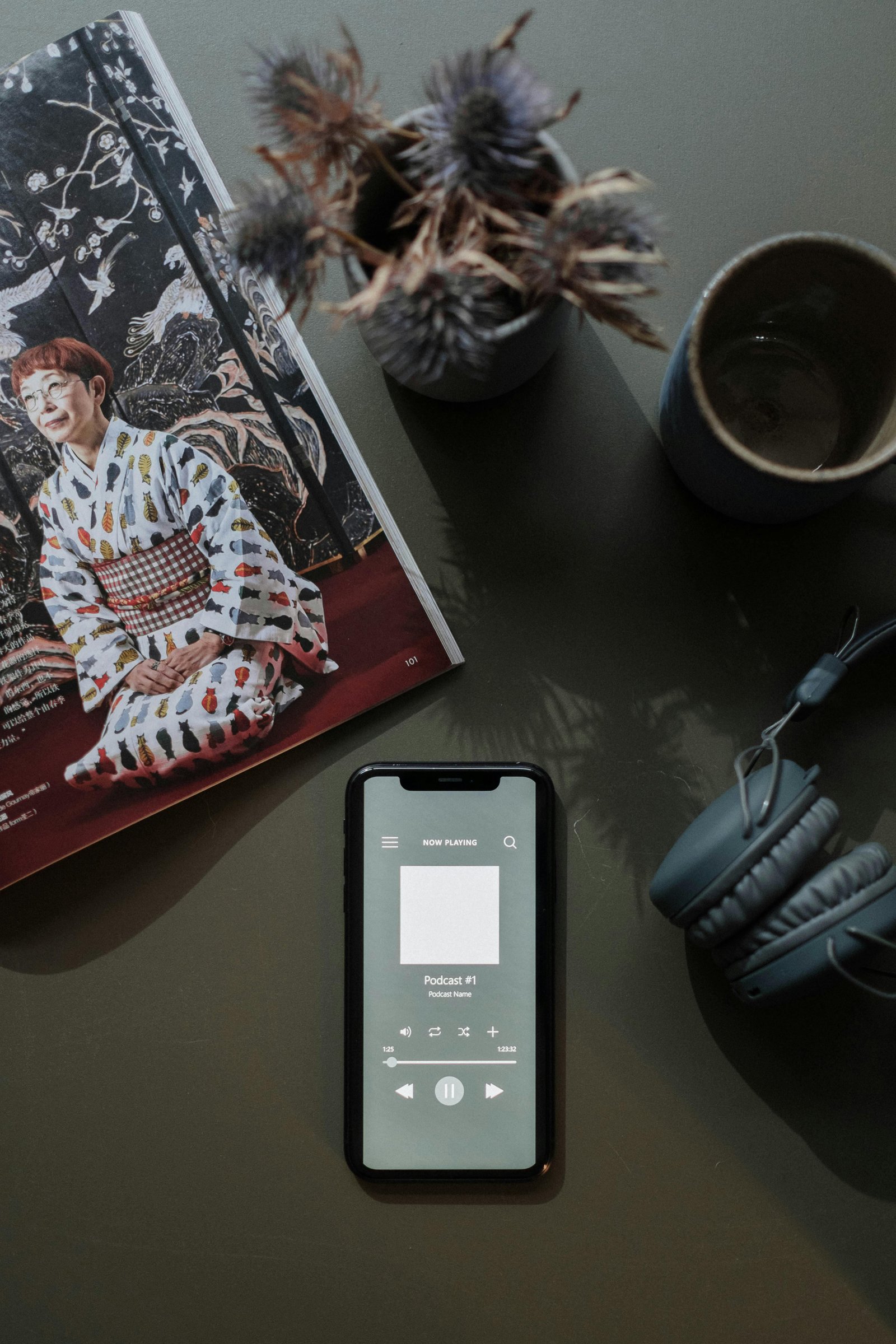
The rise of the smartphone has fundamentally revolutionized the way people consume stories. Audiobooks have seen double-digit growth year over year because they allow literature to fit into the busiest of modern lives. People can now "read" while commuting in their cars, exercising at the gym, cooking dinner, or doing household chores. This is time that previously could not be used for reading — audiobooks have effectively created entirely new reading time that did not exist before. If you are not publishing your book in audio format, you are leaving a massive segment of the market, and a significant amount of revenue, on the table.
Audiobook Market Statistics That Should Convince Every Author
The global audiobook market was valued at over $5.3 billion in 2023 and is projected to reach over $35 billion by 2030. In the United States alone, 43% of adults have listened to an audiobook in the past year — and that number is growing rapidly, particularly among younger demographics. The average audiobook listener buys more than 15 titles per year, compared to just 5-6 books purchased annually by the average print reader. Audiobook listeners are also dramatically more likely to read (or listen to) an entire book — completion rates for audiobooks far exceed those for eBooks, which means reviews and word-of-mouth referrals from audiobook listeners are especially valuable.
Production Costs vs. ROI
Producing an audiobook requires an upfront investment. You must hire a professional narrator, book studio time or ensure the narrator has an adequately equipped home studio, and pay for audio engineering and mastering services. A typical audiobook costs between $1,500 and $5,000 to produce for a standard length novel. However, the return on this investment can be substantial and long-lasting. Audiobooks typically retail for a higher price point than eBooks, often ranging from $15 to $30 or more through retail channels. Through Audible's bounty program, you can earn $75 or more each time a new Audible member uses their first credit to purchase your audiobook.
Distribution Platforms for Audiobooks
- ACX (Audible/Amazon): The largest audiobook marketplace; offers exclusive and non-exclusive distribution options
- Findaway Voices: Wide distribution to 40+ platforms including libraries, avoiding exclusivity requirements
- Author's Republic: Wide distribution with competitive royalty rates
- StreetLib Audio: Strong in European markets
- Libro.fm: Focused on supporting independent bookstores; growing rapidly
The Importance of Narration Quality
A bad narrator will destroy a good book. Listeners are extremely sensitive to audio quality, pacing, voice quality, and the overall production standard of an audiobook. A monotone reading, poorly recorded audio with background noise, inconsistent volume levels, or a narrator who mispronounces character names will result in immediate refunds and negative reviews. When entering the audiobook market, treat the production process with the same rigor and standard of excellence as your editorial process and cover design. A single bad audiobook review mentioning poor production quality can suppress sales for the entire life of the title.
Libraries and the Audiobook Opportunity
Public libraries represent one of the most underappreciated distribution channels for audiobook authors. Through platforms like OverDrive (now Libby) and hoopla, libraries provide their patrons with access to a vast catalog of audiobooks. Library borrows generate royalties for authors and, more importantly, introduce your work to readers who then buy your future titles. Getting your audiobook into library catalogs through distribution services that work with library systems is a powerful long-term marketing strategy, particularly for authors in genre fiction where dedicated fans borrow and recommend prolifically.
Self-Narration: Pros and Cons
Some authors choose to narrate their own audiobooks, particularly for memoir or non-fiction where the author's voice carries authentic authority. Self-narration requires a high-quality recording setup — at minimum, a professional-grade condenser microphone, audio interface, acoustic treatment panels, and recording software like Adobe Audition or GarageBand. The technical learning curve is significant, and the time investment is enormous — expect to spend 4-6 hours of recording and editing for every finished hour of audio. For most fiction authors, the time is better spent writing the next book. For memoir authors, business experts, and professionals whose voice is integral to the brand, self-narration can add compelling authenticity that justifies the effort.
Future Innovations in Audiobooks
As we look towards the next decade, audiobooks are poised to become even more immersive. Spatial audio and 3D soundscapes will allow listeners to feel as though they are physically present within the story. Some publishers are already experimenting with interactive audiobooks, where listeners can choose their own adventure through voice commands. The integration of artificial intelligence might even allow for personalized narration, where readers can select the exact voice, tone, and pacing they prefer. This level of customization ensures that audiobooks will not only remain relevant but will continue to push the boundaries of how we experience literature, cementing their status as the future of reading.