
How to Choose the Right Narrator for Your Audiobook
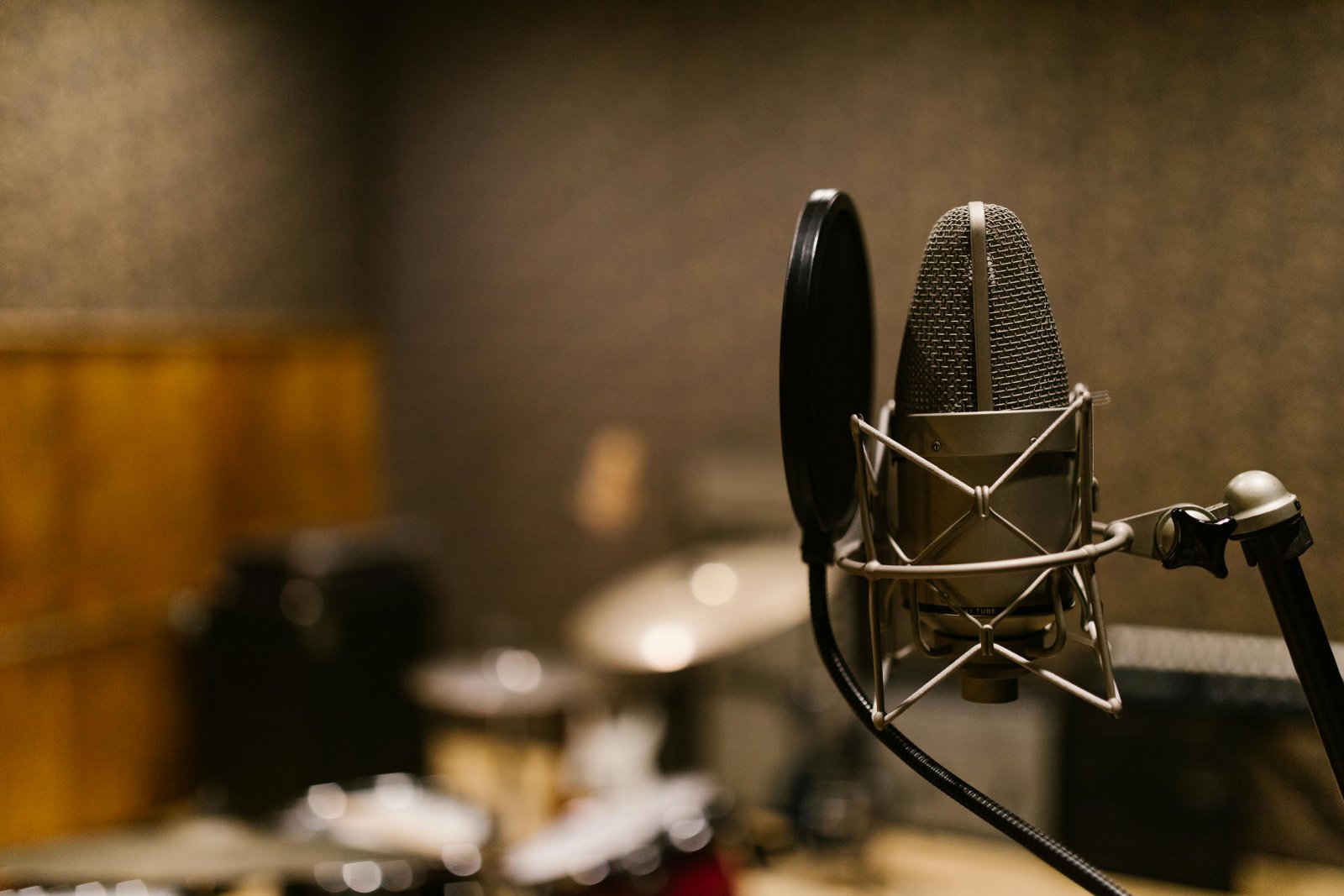
The voice of your book determines its success in the audio market. Here's how to find the perfect narrator.
The Importance of the Voice
In the world of audiobooks, the narrator is the primary point of contact with your audience. They are the vessel through which your story is delivered. A poor voice choice can ruin a great story, making listeners hit the "refund" button within the first five minutes. Conversely, the right narrator can elevate your text, bring characters to life in unexpected ways, and turn a good book into a bestseller. The audiobook market has grown exponentially, and listener expectations have risen with it. A narrator who sounded professional a decade ago might be considered amateurish by today's standards. Investing in the right voice artist is non-negotiable in the modern audiobook landscape.
The Audiobook Market in 2026
Audiobooks now represent one of the fastest-growing segments of the publishing industry, with global revenues exceeding $7 billion annually. The average audiobook listener consumes more than 15 hours of audio content per week. Platforms like Audible, Google Play Books, and Apple Books have massive audiences hungry for quality audio content. For authors, this represents both a tremendous opportunity and a significant responsibility — your audiobook must meet the high production standards that these platforms and their listeners demand.
Matching Genre and Tone
The first step in choosing a narrator is understanding the specific demands of your genre and the tone of your book. A gritty thriller requires a very different voice than a lighthearted romance or a dense historical biography. Listen to top-selling audiobooks in your specific niche. What kind of pacing, pitch, and energy do those narrators use? Your chosen narrator must sound authentic to the world you have created. A narrator who can deliver breathtaking action sequences might sound flat and lifeless during your book's quieter, introspective moments — and vice versa. You need someone whose full range matches the full range of your manuscript.
Key Qualities to Look for in a Narrator
- Clarity and diction: Every word must be crisp and understandable at normal playback speed
- Emotional range: Can they deliver both tender moments and intense confrontations convincingly?
- Character differentiation: Can they create distinct, memorable voices for different characters?
- Consistent pacing: Their energy and speed should remain appropriate and steady throughout
- Technical quality: Is the audio recording clean, free of background noise and processing artifacts?
The Audition Process
Never hire a narrator based solely on their demo reel. Always request a custom audition using a short excerpt of 500 to 1000 words from your actual book. Choose a scene that features both narrative exposition and character dialogue, preferably with varying emotions. When reviewing auditions, listen for clarity, emotional resonance, and how well they distinguish between different character voices without sounding cartoonish. The custom audition reveals how a narrator interprets your specific material — which is far more valuable than hearing them perform a script they chose themselves.
Where to Find Professional Narrators
Several platforms specialize in connecting authors with professional voice artists. ACX (Audiobook Creation Exchange), owned by Amazon, allows you to post your book and receive auditions from narrators worldwide. Voices.com and Voice123 are additional platforms with large pools of professional talent. For authors with larger budgets, working directly with a talent agency that specializes in audiobook narrators can provide access to established voices with proven track records. Always check that the narrator has experience specifically with audiobooks, as stage acting or commercial voice work requires a very different skill set.
Collaboration and Direction
Once you select a narrator, the collaboration does not end. Provide them with character notes describing each character's age, background, personality, and emotional state. Create a pronunciation guide for any made-up words, foreign names, or technical terms specific to your book. Offer context for complex scenes or emotionally nuanced moments. A good narrator will welcome this direction enthusiastically — it makes their job easier and the final product better.
Royalty Share vs. Per-Finished-Hour
On platforms like ACX, you can pay narrators either a flat per-finished-hour rate or offer a royalty share arrangement where the narrator receives a percentage of audiobook sales in lieu of upfront payment. Royalty share can be attractive if you have limited budget but high sales confidence. Per-finished-hour is better if you want to retain all royalties and can afford the upfront cost. A professional audiobook averages roughly 9,300 words per finished hour, so a 90,000-word novel will produce approximately 9-10 hours of finished audio.
Remember, you are producing an audio experience. Investing time in finding and collaborating with the perfect voice artist will pay dividends in reviews and long-term sales. A five-star audiobook can attract new readers who never would have encountered your work in print format — making your narrator choice one of the most commercially impactful decisions in your entire publishing strategy.