Navigating Copyright Laws in Publishing
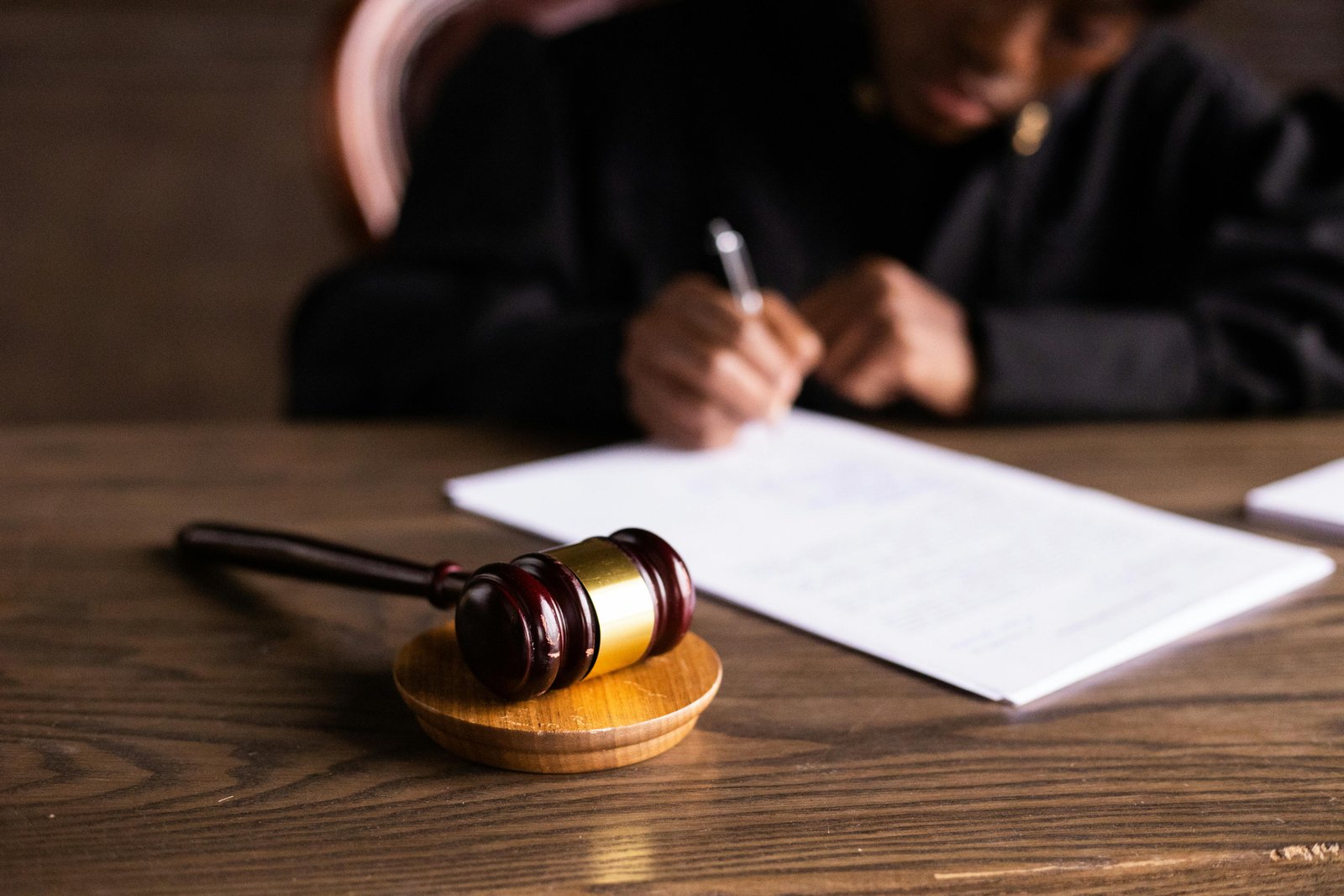
Protect your intellectual property. A comprehensive look at copyright basics for modern authors.
Understanding Intellectual Property
Copyright is the legal shield that protects your creative work. From the moment you put pen to paper — or fingers to keyboard — you hold certain automatic rights to your intellectual property under the laws of most countries. However, formally registering your copyright with your national copyright office provides a critical public record of your ownership and gives you the legal standing to sue for statutory damages if someone infringes on your work. In the United States, this means registering with the US Copyright Office. In the UK, copyright is automatic but the Intellectual Property Office provides guidance on enforcement. Registration is not legally required, but it transforms your rights from theoretical to practically enforceable.
What Copyright Protects — and What It Does Not
Copyright protects the specific, original expression of ideas — not the ideas themselves. This is one of the most commonly misunderstood principles in intellectual property law and has significant practical implications for authors. You cannot copyright the concept of a wizard school, a post-apocalyptic dystopia, or a vampire romance. These are ideas, and ideas belong to no one. However, you absolutely can — and do — hold copyright in your specific characters, your unique plot, your dialogue, and your world-building details. Understanding this distinction helps you both protect your own work and avoid infringing on others.
Plagiarism vs. Inspiration
Ideas cannot be copyrighted; only the specific expression of those ideas can be. The line between drawing inspiration from other works and outright plagiarism is legally and ethically significant. Inspired storytelling — taking familiar archetypes, genre conventions, and narrative structures and expressing them in your unique voice — is the foundation of all creative literature. Direct copying of another author's sentences, paragraphs, or distinctive creative expression without permission and attribution is plagiarism and copyright infringement. In the publishing world, where books are easily searchable and cross-referenced, plagiarism is both easy to detect and devastating to a career when discovered.
Fair Use: The Most Misunderstood Copyright Concept
- Purpose: Commentary, criticism, parody, and education generally qualify for fair use; commercial reproduction does not
- Amount: Using a small portion of a work is more defensible than using a substantial portion
- Effect: If your use could harm the market for the original work, it is less likely to qualify as fair use
- Transformation: Does your use add new meaning or value to the original? Highly transformative uses are more defensible
Contracts and Rights Reversion
If you choose to work with a traditional publisher, you will sign a contract that transfers some or all of your copyright to them for a specific period of time or geographic territory. These contracts can be extraordinarily complex, and many authors have signed away rights that haunt them for decades. It is absolutely essential to have a qualified literary attorney review any publishing contract before you sign it. Always look for a "rights reversion" clause, which dictates how and when the rights to your book return to you if the publisher allows it to go out of print or stops actively marketing it. Never sign away rights in perpetuity without clear reversion terms.
Key Contract Clauses Every Author Must Understand
Publishing contracts are dense legal documents, but several clauses deserve particular scrutiny. The grant of rights clause defines exactly which rights you are transferring — print rights, digital rights, audio rights, film rights, translation rights — and for which territories. The advance and royalty clause specifies how you will be paid. The non-compete clause may restrict what else you can publish during the contract term. The out-of-print clause should provide a clear mechanism for rights reversion when the book is no longer being actively sold. Each of these clauses can dramatically affect your long-term earnings and creative freedom.
Public Domain and Creative Commons
Works in the public domain — typically those published before a certain date (1928 in the US as of 2024) or whose copyright has expired — can be freely used, reproduced, and adapted without permission. Many classic novels, from Pride and Prejudice to Sherlock Holmes, are in the public domain and form the basis of countless modern adaptations. Creative Commons licenses are a voluntary system through which creators can choose to share their work with specific permissions — for example, allowing non-commercial reproduction while retaining commercial rights. Understanding both public domain and Creative Commons can open creative possibilities while keeping you legally protected.
Navigating copyright law does not require a law degree, but it does require a basic understanding of your rights, your contracts, and your obligations to other creators. When in doubt, consult a qualified intellectual property attorney specializing in publishing law. The cost of good legal advice is a fraction of the cost of a copyright dispute — and the peace of mind is invaluable.