Proofreading vs. Editing: What's the Difference?
Confused between these two terms? Learn why both are essential but serve completely different purposes.
The Macro vs. The Micro
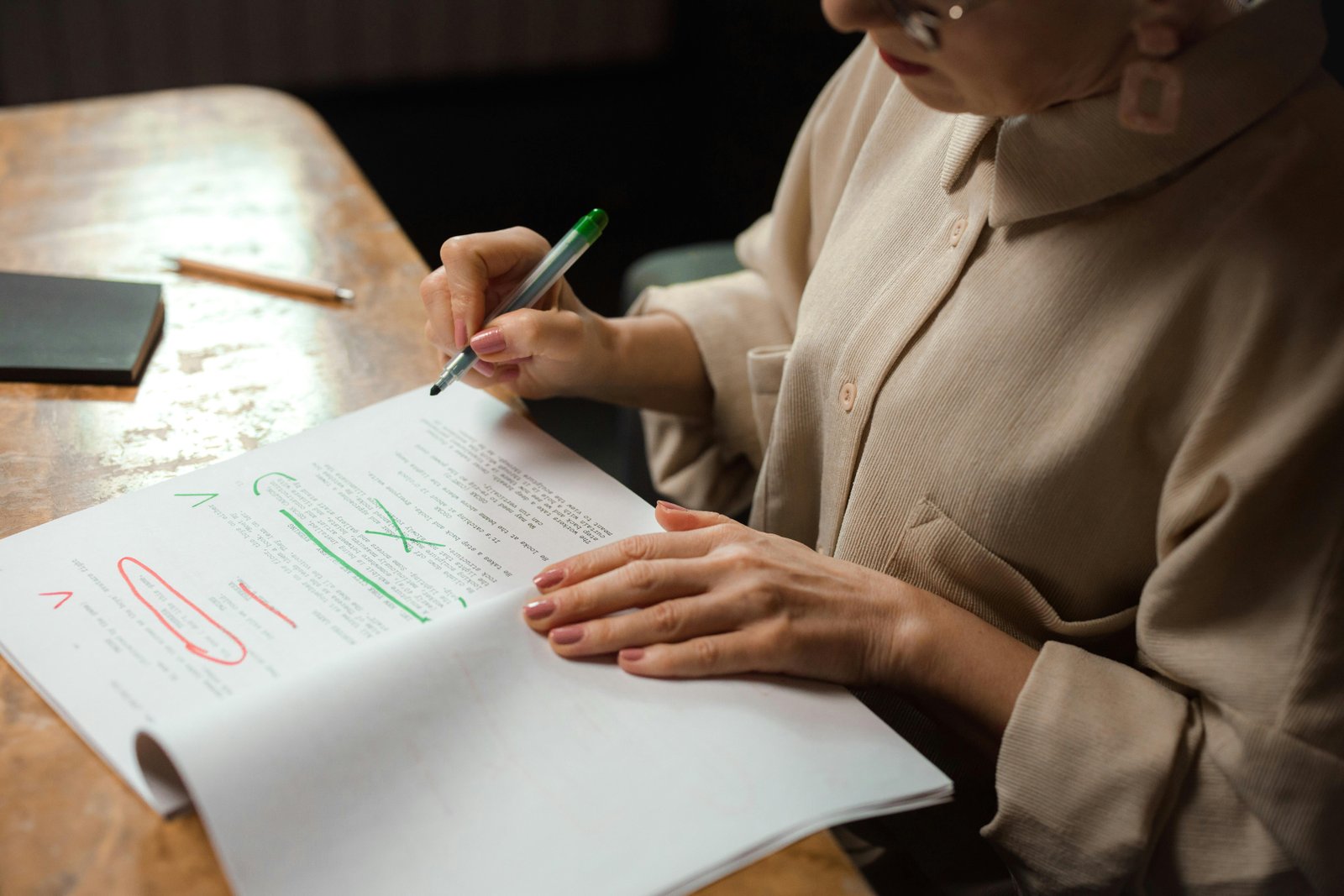
Editing and proofreading are often used interchangeably by new authors, but they serve completely different purposes at very different stages of the writing process. Editing is about the Big Picture — the macro level of structure, tone, pacing, and character development. Proofreading is the Final Sweep — the micro level of grammar, punctuation, spelling, and formatting consistency. Understanding the distinction between them is crucial because applying them in the wrong order is not just inefficient — it can actually waste significant time and money. You cannot effectively proofread a book that has not yet been edited, because you might spend hours perfecting commas and dialogue tags in a chapter that gets completely restructured or deleted in the editing process.
The Correct Sequence of the Editing Process
Professional publishing follows a specific sequence of editorial stages, each building on the last. Understanding this sequence helps authors budget their time and money appropriately and set realistic expectations for the process. The sequence runs from most structural (developmental editing) to most granular (proofreading), with each pass assuming that the previous, larger-scale issues have already been resolved. Skipping stages or performing them out of order is one of the most common — and costly — mistakes in independent publishing.
The Editing Phases in Detail
Professional editing is broken down into distinct stages, each with a specific focus. Developmental editing addresses the core architecture of your book — does the plot structure work? Are the characters compelling and their arcs satisfying? Is the pacing appropriate throughout? Does the theme come through clearly? This is the most intensive and most expensive form of editing, often resulting in significant restructuring of the manuscript. Line editing focuses on the paragraph and sentence level — smoothing awkward phrases, eliminating repetitive words and structures, varying sentence rhythm, and ensuring each paragraph flows naturally into the next. Copy editing ensures consistency in grammar, punctuation, tense, timeline, character details, and stylistic rules. Each phase brings the manuscript closer to its final, professional form.
Signs Your Manuscript Needs Each Type of Editing
- Needs developmental editing: Beta readers say they lost interest in the middle, characters feel flat, or the ending feels unsatisfying
- Needs line editing: Your prose feels "clunky," sentences are consistently awkward, or the writing style is inconsistent
- Needs copy editing: Grammar errors are present, character details are inconsistent, or timeline continuity issues exist
- Needs proofreading: The manuscript is fully edited but needs a final sweep for typos and formatting issues before publication
Why You Cannot Proofread Your Own Work
Our brains are extraordinarily efficient pattern-matching machines. When we read our own writing, our brain knows what each sentence is supposed to say, so it automatically corrects errors — missing words, transposed letters, incorrect punctuation — in our perception, even though those errors are visible on the page. This is not a flaw or a failure of diligence; it is how human cognition works. This biological reality makes it genuinely impossible to catch all your own errors, no matter how carefully you read. A professional proofreader brings a completely fresh perspective and a trained eye specifically calibrated to catch the tiny details that familiar eyes inevitably gloss over after hundreds of passes through the same text.
The True Cost of Skipping Professional Editing
Authors frequently look at the cost of professional editing — which can range from $500 for proofreading a short novel to $5,000 or more for full developmental editing of a complex work — and conclude they cannot afford it. The reality is that they cannot afford to skip it. A single one-star review on Amazon mentioning "poor editing" or "numerous typos" can suppress sales permanently. Readers share negative experiences with poor-quality books vocally and immediately. The damage to your reputation from releasing an inadequately edited book can follow your author name for years and make it significantly harder to find an audience for your future work. Professional editing is not an optional luxury — it is the foundation of a sustainable publishing career.
Hiring the Right Editor
Finding the right editor requires research and due diligence. Look for editors who have experience in your specific genre and who can provide references from past clients. Request a sample edit of the first 10 pages of your manuscript before committing to a full project — this reveals not just the editor's technical skill but also their communication style and whether their feedback resonates with your vision for the book. Professional editors with strong track records are typically booked weeks or months in advance, so plan your editorial timeline accordingly when scheduling your publishing schedule.